Many of our patients have already tried massage, more than once, by the time they come to us. The pain eases right after every session — but within a few weeks, it's back in the same spot. Why does that keep happening? Part of the answer is usually hiding in the body's "structure," which was never actually corrected in the first place. That's exactly what our APBC program — Advance Postural Biomechanical Correction — is designed to address.
So What Exactly Is APBC?
In simple terms, APBC is an in-depth rehabilitation process that doesn't just look at where it hurts — it looks at your posture, balance, and overall movement mechanics to find which part of your structure has fallen out of balance and is driving the chronic pain. Often, the point of pain and the actual root cause aren't even in the same place. Someone with chronic knee pain, for example, might actually have the root cause sitting in a misaligned hip — not the knee itself.
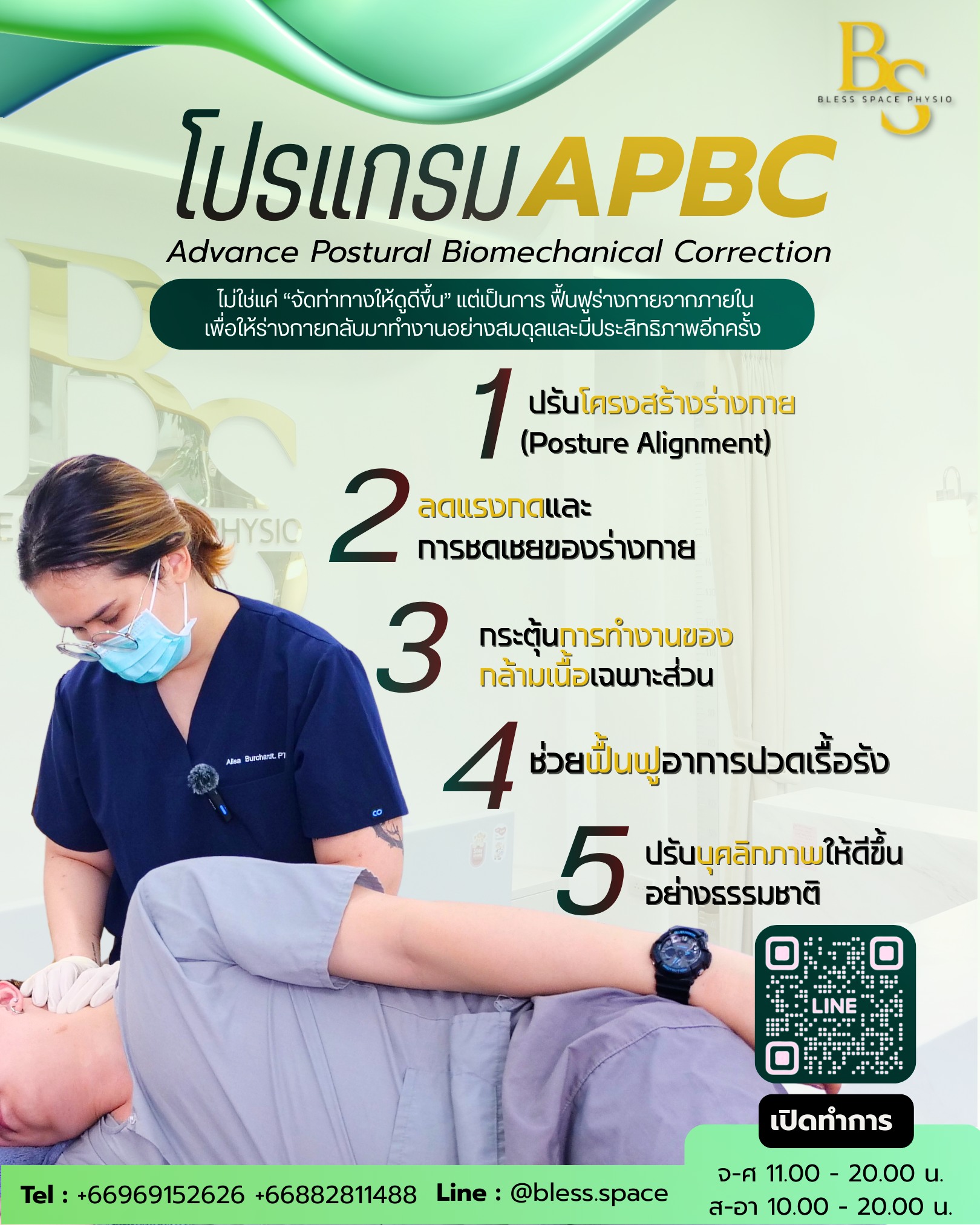
5 Things the APBC Program Can Help With
- Posture alignment — correcting posture and spinal position so your body sits in a healthier, more balanced way.
- Reducing pressure and compensation patterns — once your structure is aligned, your body no longer has to keep compensating for bad posture.
- Activating specific muscle groups — targeting the particular muscles that have gone weak or underused so they start working at full capacity again.
- Relieving chronic pain — addressing the root cause of the problem, rather than just easing the symptom at the surface.
- Naturally improving posture and presence — a side benefit many patients love: a more confident walk and a more put-together look, without having to force it.
Massage eases tight muscles in the short term, but APBC goes after the structural issue that's causing that tightness in the first place — which is why it does a much better job of preventing pain from coming back long-term.
Who Should Consider This Program
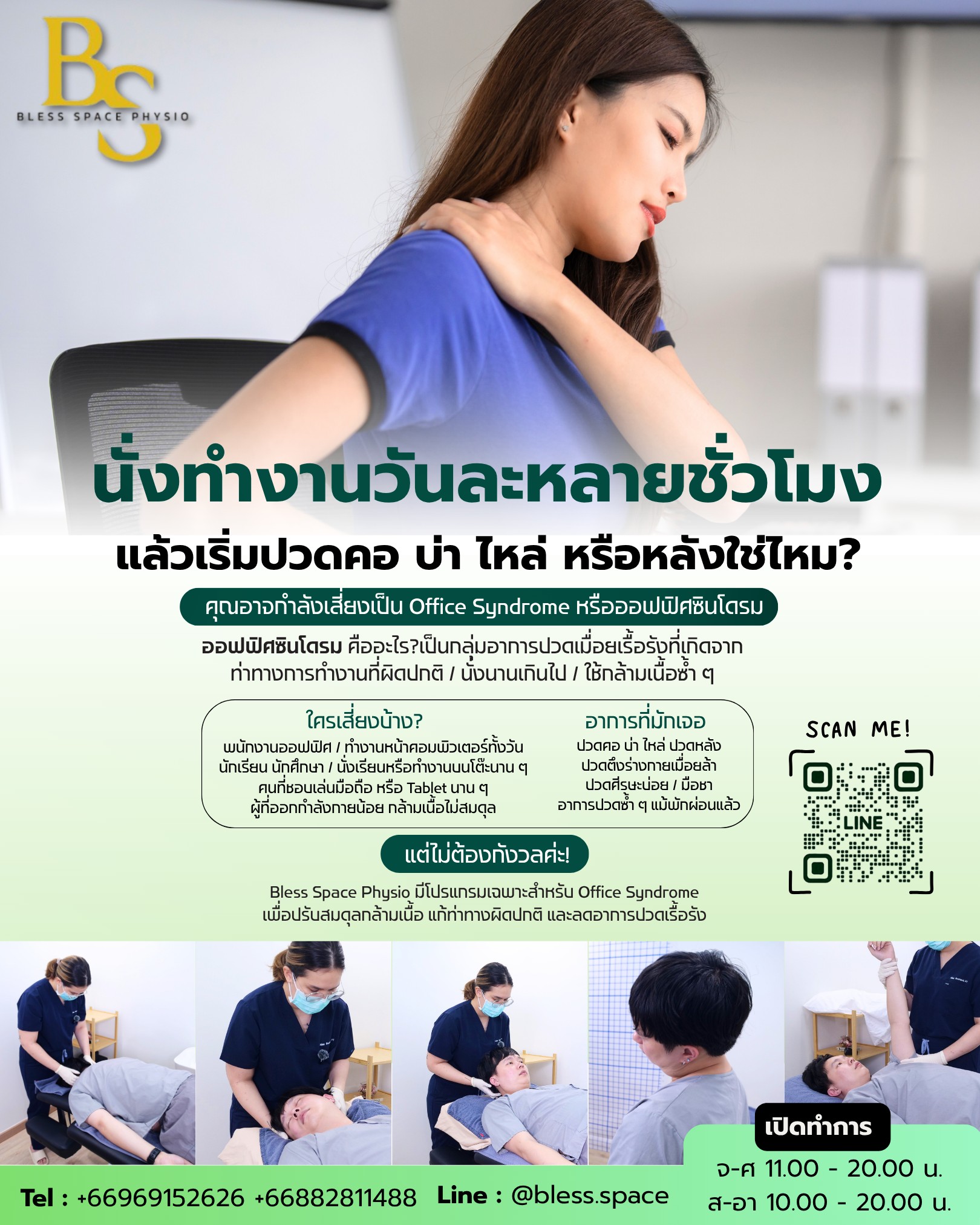
APBC suits anyone with long-standing chronic pain who's tried various treatments without lasting results, as well as anyone who's noticed rounded shoulders, a hunched back, or uneven weight distribution while walking. These are all signs of a structure that's fallen out of balance — and the longer it's left alone, the harder it becomes to correct.
How We Run the APBC Program at Bless Space Physio
Our physiotherapy team always starts with a thorough structural assessment to pinpoint exactly where the imbalance lies. From there, we build a personalized APBC plan that combines structural correction techniques, targeted muscle activation, and supporting exercises suited to each person's body — so the result isn't just temporary pain relief, but genuinely lasting recovery.